


Non-Partisan Campaign Notice
The Cornwall & Area Chamber of Commerce is strictly non-partisan. The questionnaire responses below are presented unedited and exactly as submitted by the candidate. The Chamber does not endorse or validate the views expressed.
Campaign Contact & Channels
YourTV Cornwall - yourVote Interview
Candidate Questionnaire Responses
Background
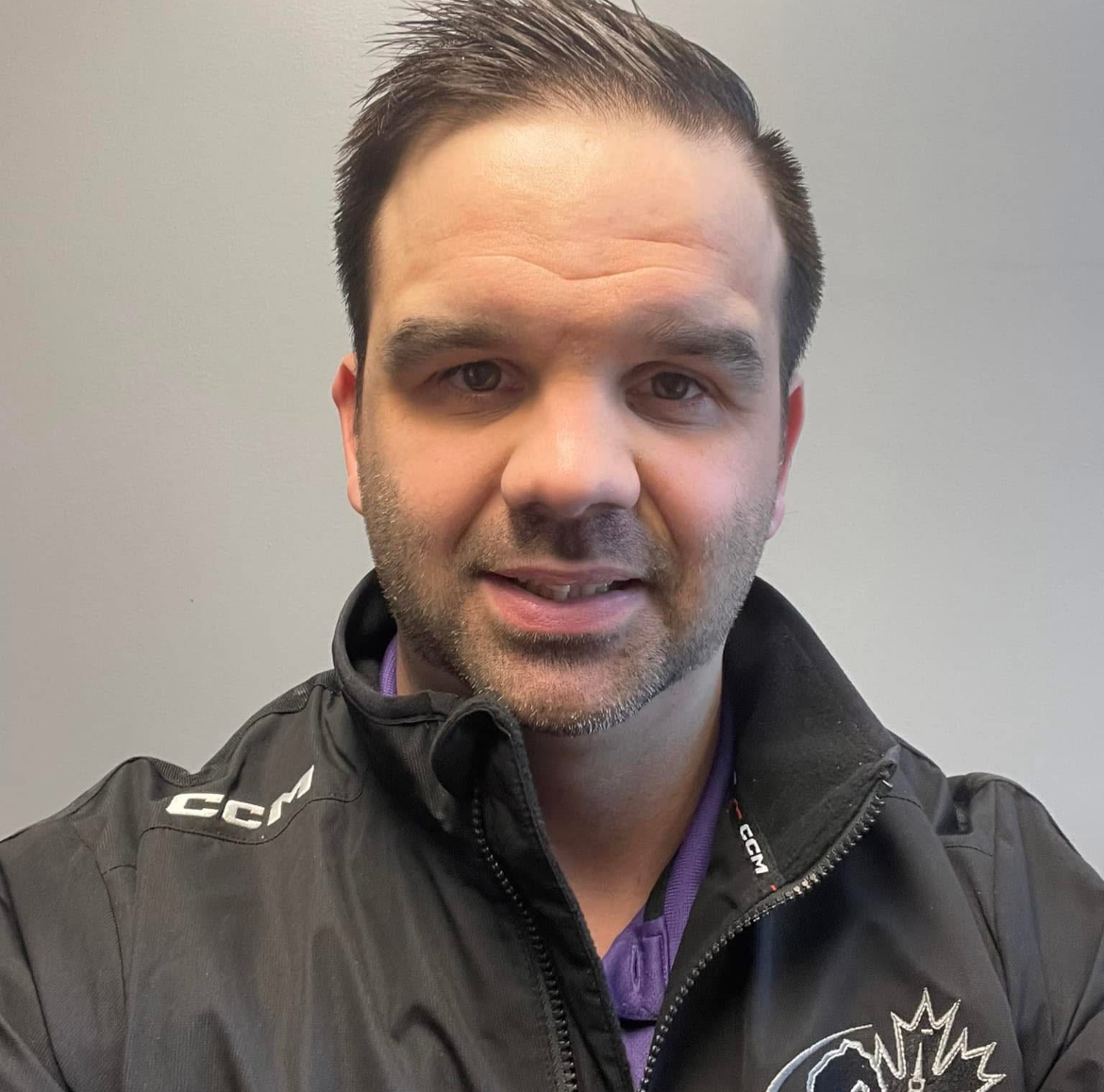
My name is Christopher Leclair. I was born and raised in Cornwall and am a lifelong resident. I ran for City Council in 2022, which gave me a deeper understanding of our community and the issues facing residents. I currently work as a hockey player agent and advisor and have a background in logistics. I studied Real Estate and Behavioural Science, giving me experience in negotiation, communication, and understanding people’s needs. For the past four years, I have also organized food drives supporting Centre 105.
Top Priorities
1. Transparency & Responsible Spending: I want to bring more transparency, honesty, and accountability to City Hall. I would support an independent third-party forensic review of City spending to identify waste, unnecessary expenses, and opportunities to save taxpayers money. Every tax dollar should have a purpose, and municipal decisions must respect the law and the Canadian Charter of Rights and Freedoms. 2. Our Waterfront: Our waterfront is a major opportunity for Cornwall. With responsible investment and development, we can attract visitors, support local businesses, create jobs, and increase economic activity. 3. Public Safety: I would support increased police visibility and foot patrols in areas where residents have safety concerns. I would also work with our MPPs and MPs to advocate for stronger action on repeat offenders, drug-related crime, and federal criminal justice policies. 4. Roads & Infrastructure: Residents deserve properly maintained roads and sidewalks. I would prioritize maintaining the infrastructure we already have and improving winter maintenance before taking on unnecessary new projects. 5. A Stronger Partnership with Akwesasne: I would work toward stronger cooperation with Akwesasne, including exploring a Cornwall–Akwesasne bus service and discussions with the appropriate authorities about bridge tolls. My Commitment: I am not running to simply sit at the Council table and go along with everything put in front of me. I will listen, ask questions, examine the numbers, and speak up when I believe something needs to be addressed. My goal is simple: responsible government, better value for taxpayers, and a stronger future for Cornwall.
1. The 2026 Budget & Property Taxes: The 2026 municipal budget passed with a 5.41% increase to the property tax levy, bringing the "average" residential property tax bill to nearly $3,270. As a City Councillor, how will you approach future budget deliberations to balance the necessity of maintaining essential city services while ensuring the commercial tax rate remains competitive enough to attract new investment?
My proposal is to work toward keeping annual tax increases closer to 2–3%, rather than increases like 5.41%. We also need to seriously review water rates, especially with projections of roughly 9.5% annual increases. I would support bringing in an independent forensic accountant to review City spending and identify waste, duplication, and unnecessary expenses. I’m not looking to cut essential services like police, fire, or housing. I want to find efficiencies and determine whether we truly need the current level of staffing, which accounts for roughly 51% of the annual budget. This may not be popular but it needs to be looked into. The goal is simple: save money where we can, protect essential services, and put those savings back in the pockets of Cornwall taxpayers.
2. Red Tape & Business Licensing: The City has been working to modernize its Business Licensing By-law to consolidate decades-old regulations and reduce licensing categories. If elected to Council, what specific steps will you champion to further streamline the permitting, zoning, and licensing processes and reduce the administrative burden on small business owners?
Simple: analyze the by-law and building departments and identify what can be improved. We need to speed up the permit process. Getting shovels in the ground faster means more housing, new businesses opening sooner, more jobs, and ultimately more revenue for the City. Small businesses need support. They are the backbone of our community, and we should be making it easier—not harder—for them to grow and succeed.
3. Infrastructure Prioritization: The City's Asset Management Plan indicates a significant backlog of infrastructure renewal projects. Which specific municipal infrastructure investments (e.g., road maintenance, transit expansion, water/wastewater upgrades) will you advocate for as an immediate priority over the next four years to support local industry and residents?
According to the City’s capital information, there are 178 projects in the program, with 107 currently in progress and only 24 identified as being near completion. And why does Council continue to look to taxpayers for more money? The City itself describes its capital budget as spending to acquire or improve major assets such as roads, buildings, equipment and other infrastructure. (Cornwall) I’m not against investing in Cornwall. Roads need to be repaired, Infrastructure needs to be maintained and Facilities need to be upgraded. But responsible government means prioritizing. You don’t have to start the majority of projects at the same time. A responsible approach is to identify the most important projects, determine what the City can realistically afford, complete those projects, and then move on to the next priorities. When 107 projects are already in progress, taxpayers deserve to know whether the City is spreading its financial resources too thin. This isn’t about stopping investment. It’s about making sure we can actually afford the investment we approve.
4. The Port Lands Development: The 16-acre Port Lands, jointly owned by the municipality and the Akwesasne First Nation, is a major waterfront asset. What is your vision for the future development of this parcel, and how will you work within Council to ensure the partnership fosters mutually beneficial economic growth for the region?
I would like to see a local market showcasing Cornwall businesses and local goods, along with a boardwalk and waterfront restaurant. We could also explore a sheltered food market with seasonal vendor spaces or cargo-style units that local businesses could rent during the summer months. An attached park would make the area even more inviting for families. I’d also like to explore sharing the costs with the people of Akwesasne and offering City bus service to the island a couple of times a day. This could strengthen our partnership, bring more people together, and help grow the economy on both sides of the river.
5. Housing Supply & Affordability: Cornwall is facing a critical housing shortage across all income brackets. What specific municipal actions will you advocate for at the Council table (e.g., zoning amendments, targeted development incentives, utilizing city-owned land) to accelerate residential development and ensure a mix of affordable options?
Cornwall can’t build everything on its own. We would need to pursue provincial and federal grants to help finance major projects, especially when municipal budgets are already under pressure. I would also support allowing more housing downtown and expanding zoning opportunities for mixed residential and commercial development. More housing, more businesses, and more people downtown can help create a stronger local economy while making better use of the infrastructure we already have.
6. Addressing Homelessness: Complex social issues like homelessness affect vulnerable individuals and impact the downtown business community. As a Councillor, what is your strategy for ensuring the municipality effectively supports collaborative community initiatives (like The Stepping Stone project), and what specific city resources or policies will you commit to reducing the number of unhoused individuals?
Homeless is not just a Cornwall issue, it’s a national wide issue. The Stepping Stone project includes 30 private sleeper cabins, shared washrooms, and a common space, designed to provide people with a stable place to live while helping them develop skills for independent living, such as cooking, budgeting, and paying bills. At the same time, we have to recognize that people experiencing homelessness can face different challenges, including addiction and mental-health issues. Not everyone experiencing homelessness struggles with addiction, but mental health can be a significant factor. We need to make sure people have access to the mental-health, addiction, employment, and other support programs they need to help them move toward stable, independent living.
7. Youth Retention & Workforce Development: A common challenge for local businesses is attracting and retaining skilled talent. How will you use your position on Council to work with local institutions like St. Lawrence College and the business community to encourage youth to build their careers in Cornwall rather than relocating to larger urban centers?
We need more businesses in Cornwall that can create good local jobs. We can’t rely on being primarily a warehouse town—we need to actively promote Cornwall to corporations and entrepreneurs. We also need to speed up the permit process. I’ve spoken with people who wanted to open businesses here but ultimately decided against it because they were losing too much money waiting for approvals. We should also reassess commercial property taxes and consider whether lowering them could attract more businesses, investment, and jobs to Cornwall. A stronger business environment means more jobs, more investment, and more revenue for our city.
8. Industrial Expansion & Logistics: Cornwall has a strong history as a logistics and industrial hub, recently seeing investments like the Michelin Distribution Centre, but the city must remain competitive. How will you support the transportation sector and advocate for infrastructure improvements that meet the evolving needs of local industry?
[No response provided]
9. Tourism, Events, & Local Initiatives: Tourism is a significant economic driver for our local hospitality and retail sectors. How can City Council better support local events, festivals, and community initiatives to drive tourism, and what municipal resources or support do you believe should be provided to ensure their success?
Communication and advertising from the City need to work together better. I would like to see the City promote programs, events, and important information more effectively through public buildings, online platforms, and City buses. I would also want regular updates from the City, so residents and councillors have accurate information they can share with the community. Better communication means a better-informed community.
10. Council Dynamics & Community Voice: The 2026 municipal budget was passed utilizing provincial "Strong Mayor" powers. Regardless of your stance on those specific powers, how will you ensure that as a City Councillor, you effectively represent the voice of the public and the business community in major municipal decisions, ensuring accountability and transparency at City Hall?
Honestly, transparency should always be number one. As a City Councillor, my job would be to listen to residents and bring their concerns to Council. Communication should be open and transparent—not happening behind closed doors. I also won’t be afraid to speak up when I believe something needs to be addressed. If I disagree with a decision, I’ll stand my ground and explain why. I would also encourage residents to come forward and speak directly to Council, and support community petitions when residents want their concerns heard. Their voice deserves to be heard at City Hall.
11. Maintaining Decorum and Handling Misinformation: City Councillors are increasingly subject to intense public scrutiny and are often the target of misinformation or disinformation spread across social media. Additionally, this scrutiny can sometimes escalate into harassment or abusive language. The City’s Code of Conduct requires Councillors to treat everyone with respect and maintain professional decorum, even when facing hostile or factually incorrect public discourse. How will you personally handle the pressures of social media, combat local misinformation without escalating conflicts, and ensure that your interactions—both online and offline—foster a respectful, constructive environment that upholds the integrity of City Council?
It’s simple: be open, honest, transparent, and accountable. There is often some truth behind what is labelled as “misinformation.” The same can be said about conspiracy theories. While the claims may not always be accurate, they often stem from real concerns or unanswered questions. That is why open communication and transparency are so important. I thrive under pressure, so pressure will not deter me from doing what is best for the city and its residents—even when the decision may not be popular. That is why I am running: to make decisions based on what is right for the community, not what is easiest or most politically convenient. I also would not allow my personal opinions to influence decisions. I would listen to residents and respect what they want for their city. When Council moved forward with clear garbage bags, the art centre, and water meters despite significant public opposition, many residents felt that their concerns were ignored. Council should have listened to the people who elected them and who pay their salaries. Ignoring residents is neither honest nor transparent. City Council must be accountable to the public.
Join the Cornwall & Area Chamber of commerce


